



Nettle Powder for Dogs & Cats
Nettle Powder for Dogs & Cats
Natural daily support for seasonal sensitivities, itchy skin and a healthy coat.
Pure Nettle Powder made from 100% nettle leaf. Naturally nutrient-rich and easy to add to your dog’s or cat’s food each day, providing simple daily support for seasonal sensitivities, healthy skin and a glossy coat. Nothing added, no fillers – simply nettle.
 Supports Seasonal Sensitivities
 Helps Soothe Itchy Skin
 Supports Healthy Skin & Coat
 Supports Itchy, Licked Paws


Couldn't load pickup availability


Why Cats & Dogs Love it

Supports Seasonal Sensitivities
Nettle is naturally rich in plant compounds and nutrients, making it a useful addition to your pet’s daily routine during times of seasonal or environmental sensitivity.

Helps Soothe Itchy Skin
Traditionally used for skin support, nettle can help support comfortable, healthy skin for dogs and cats prone to seasonal itching and irritation.


Supports Healthy Skin & Coat
Naturally containing vitamins, minerals and plant nutrients, nettle helps support healthy skin and maintain a glossy, healthy-looking coat.

Supports Itchy, Licked Paws
A useful addition during grass and pollen season, nettle provides natural nutritional support for dogs prone to licking or chewing their paws after time outdoors.


Why Nettle?

A surprisingly powerful little plant.
Nettle (Urtica dioica) might be best known for its sting, but once dried and prepared, it becomes a completely different ingredient.
The leaves naturally contain a wide range of plant nutrients, including iron, calcium and vitamins A, C and K, alongside naturally occurring plant compounds such as flavonoids and polyphenols.
These nutrients help explain why nettle has traditionally been used to support healthy skin, coat condition and general wellbeing, and why it can be a useful nutritional addition during times of seasonal sensitivity.
Drying the nettle leaf removes the sting associated with brushing against the fresh plant, leaving us with a simple, nutrient-rich ingredient that can be sprinkled over your pet’s everyday food.

Feeding Guide
Suggested daily amount based on your pet’s weight.

Up to 10kg
Cats and small dogs

¼ – ½ tsp daily

10–25kg
Spaniels, collies, staffies
½ – 1 tsp daily

25kg+
Labradors, shepherds and up
1½ – 2 tsp daily
40kg+
Extra Large Dogs
2 tsp daily

How To Use
Nettle Powder can be used as a simple daily food topper, or prepared as a soothing coat rinse or paw soak.
Daily Food Topper
Measure the recommended daily amount for your dog's weight, sprinkle over wet or dry food, mix in and serve.
Introduce gradually over 5–7 days.
Soothing Coat Rinse
Add 1–2 tablespoons of Nettle Powder to 500ml freshly boiled water and stir well. Cover and leave to steep for 10–15 minutes, then strain through a fine sieve or muslin cloth and allow to cool until comfortably lukewarm.
Pour gently over your dog's coat or apply with a soft sponge, working it through to the skin. Leave in – no need to rinse or shampoo afterwards. Allow the coat to air dry naturally.
Paw Soak
Add 1 teaspoon of Nettle Powder to 250ml warm (not hot) water and stir well. Leave to steep for around 10 minutes, then strain.
Soak your dog's paws for 2–5 minutes, then gently pat dry with a soft towel. Ideal after walks, particularly during grass and pollen season.
A Few Things to Keep in Mind
Always patch test topical use first by applying a small amount to a small area of skin and waiting 24 hours before full application. Keep away from eyes and nose. Prepare fresh and discard any leftover rinse or soak within 24 hours.

Once a day, over their food


Our Customers Say It Best
Real reviews from real customers.


Got questions? We have the answers.
Honest answers for a healthier life.
What are the signs of seasonal allergies in dogs?
Seasonal sensitivities can show themselves in several ways. Common signs include itchy skin, frequent scratching, paw licking or chewing, rubbing the face and irritated skin, particularly at certain times of year.
Environmental triggers can include grass, tree and weed pollen, mould and other allergens. Persistent or severe itching should always be discussed with your vet, as allergies are only one possible cause.
Why does my dog lick their paws after walking on grass?
Paw licking after walks can sometimes be associated with contact with grass, pollen or other environmental triggers, particularly if it becomes more noticeable during spring and summer.
Dogs with environmental sensitivities commonly experience irritation around their paws, although persistent paw licking can have several causes and should be investigated by your vet if it continues.
Can nettle help support dogs with seasonal sensitivities?
Nettle (Urtica dioica) is a nutrient-rich plant traditionally used as part of natural skin and seasonal support. It naturally contains vitamins, minerals and plant compounds and can be added to your dog's diet as a complementary nutritional supplement.
It isn't a replacement for veterinary allergy treatment, particularly for dogs experiencing persistent or severe symptoms.
Is nettle powder safe for dogs?
Prepared nettle leaf can be used as a complementary feed for dogs when given appropriately. Our Nettle Powder contains 100% nettle (Urtica dioica) with nothing added.
Always follow the recommended feeding guide. Speak to your vet before use if your dog is pregnant, unwell, has diabetes or kidney disease, or is taking medication.
Can I give my dog nettle powder every day?
Yes, our Nettle Powder is designed to be added to your dog's food as part of their daily routine, using the amount recommended for their weight.
When introducing something new to your dog's diet, we recommend starting gradually over 5–7 days.
How do I give nettle powder to my dog?
Simply measure the recommended amount and sprinkle it over wet or dry food, mix in and serve.
Nettle Powder can also be prepared for topical use as a coat rinse or paw soak. Full instructions are provided in our How to Use section and on the pouch.
Can I use nettle powder as a paw soak for my dog?
Yes. Add 1 teaspoon of Nettle Powder to 250ml of warm (not hot) water, leave to steep for around 10 minutes and then strain. Soak your dog's paws for 2–5 minutes before gently patting them dry.
This can be a useful part of your dog's paw-care routine after walks, particularly during grass and pollen season. Always patch test first and keep away from the eyes and nose.
What's the difference between seasonal and food allergies in dogs?
Seasonal or environmental allergies can be triggered by things such as pollen, grass, mould or dust mites and may become more noticeable at particular times of year.
Food allergies involve a reaction to something in the dog's diet. Both can cause symptoms such as itching and paw licking, so symptoms alone aren't always enough to tell them apart. Your vet can help determine the underlying cause.
When should I see a vet about my dog's itching?
Occasional scratching isn't necessarily unusual, but speak to your vet if the itching is persistent, severe or causing redness, hair loss, sores, broken skin or obvious discomfort.
Itching can have many causes, including environmental or food allergies, fleas, mites, infections and contact irritation, so it's important not to assume that every itchy dog has a seasonal allergy.
Analytical Constituents & Composition
Composition:
100% Nettle (Urtica dioica)
Analytical Constituents:
• Crude Protein: 17.7%
• Crude Fibre: 12%
• Crude Fat: 25.4%
• Crude Ash: 13.7%
• Sodium: 0.5%
Pairs Well With
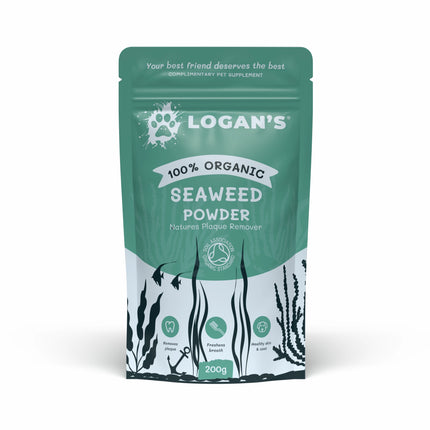
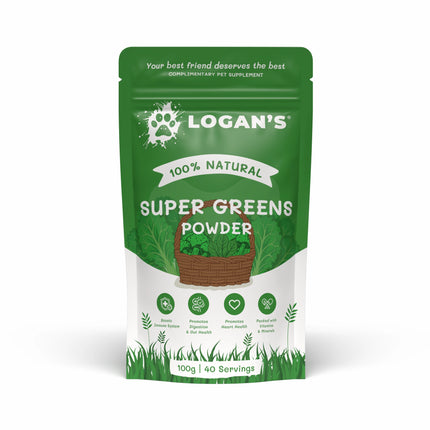


“Because your best friend deserves the very best.”
Logan's began with one very special dog — Oscar. Wanting the very best for him inspired us to look more closely at what went into the products we gave our pets, and ultimately led us to create our own.
That same philosophy remains at the heart of Logan's today: carefully selected, straightforward ingredients and supplements we'd be happy to give to our own pets. Oscar's paw remains part of our logo as a reminder of where it all began.

No Fillers Or Nasties

Human-Grade Ingredients

Oscar Approved


